
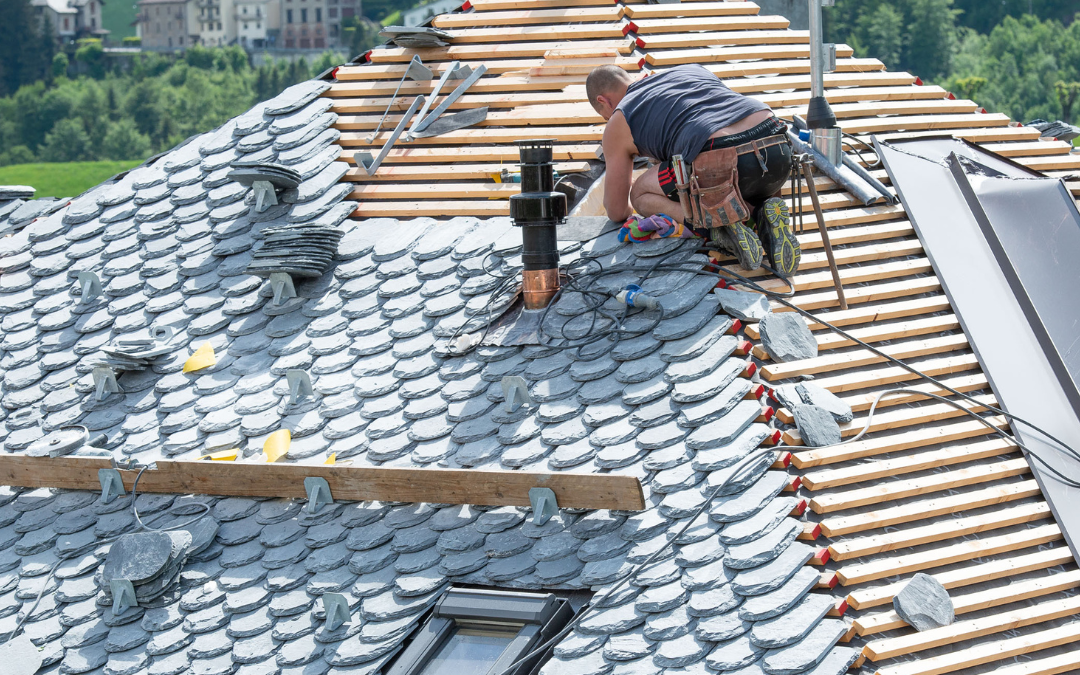
Slate and tile roofs offer a classic, elegant look that has stood the test of time. Their durability and aesthetic appeal make them a popular choice for many homeowners. However, installing a slate or tile roof can be a complex and demanding task, especially for beginners. Here are some essential tips to help you navigate the installation process with confidence.
Understand the Materials
Before diving into the installation process, it’s crucial to understand the materials you’ll be working with. Slate is a natural stone that’s known for its longevity and distinctive appearance. It’s heavy and requires a sturdy roof structure. Tile, often made from clay or concrete, is also durable but can be lighter than slate. Each material has its specific requirements and installation techniques.
Understanding the materials is a crucial step in ensuring a successful slate or tile roof installation. Slate’s natural beauty and longevity make it a premium choice, while tile roofing offers a range of options to fit different budgets and aesthetic preferences. By thoroughly researching and considering the characteristics of each material, you can make informed decisions that align with your roofing needs and expectations.

Plan and Prepare
Proper planning is key to a successful installation. Start by inspecting the existing roof structure. Ensure that it is in good condition and capable of supporting the weight of slate or tile. Make necessary repairs or reinforcements before you begin the installation.
Assess the Roof Structure
Before beginning any installation, thoroughly assess the existing roof structure. Check for any signs of damage or weakness in the rafters, trusses, and decking. Slate and tile roofs are heavier than asphalt shingles and require a robust underlying structure to support their weight. If the current structure shows signs of wear or compromise, reinforce it as needed. This might involve replacing rotted wood, adding additional support beams, or repairing any structural issues.
Measure and Calculate
Accurate measurements are essential for a precise installation. Measure the dimensions of the roof, including the length and width of each section. Calculate the total square footage to determine how many tiles or slates you’ll need. It’s a good idea to order about 10% more material than the exact calculation to account for cutting, wastage, and potential future repairs.
Choose the Right Materials
Select high-quality slate or tile that suits your climate and aesthetic preferences. Slate comes in various colors and thicknesses, and different types of tile (clay, concrete, etc.) offer various benefits. Ensure that the materials you choose are appropriate for your local weather conditions, as some materials perform better in specific climates.
Gather Tools and Equipment
Ensure you have all the necessary tools and equipment for the job. Common tools for slate roofing include a slate cutter, slate hammer, and roofing nails or copper nails. For tile roofs, you’ll need a tile cutter, tile spacers, and roofing nails or screws. Additionally, prepare safety equipment such as harnesses, helmets, non-slip footwear, and sturdy ladders.
Plan the Installation Process
Develop a detailed installation plan outlining each step of the process. This plan should include the sequence of tasks, from removing the old roofing material to installing the new underlayment and securing the tiles or slates. Consider breaking the job into manageable sections, especially if you’re working alone or with a small team.
Gather the Right Tools and Materials
Having the right tools and materials on hand is essential. For slate roofs, you’ll need slate tiles, underlayment, flashing, nails, and a slate cutter. For tile roofs, you’ll require tiles, underlayment, flashing, and a tile cutter. Additionally, ensure you have safety equipment such as harnesses and ladders.
Install the Underlayment
The underlayment is a critical component of the roofing system, providing an additional layer of protection against water infiltration. For slate and tile roofs, a heavy-duty underlayment such as synthetic felt or rubberized asphalt is recommended. Install the underlayment starting from the bottom of the roof and work your way up, overlapping each row to ensure proper water shedding.
Start at the Bottom
Begin the installation at the bottom edge of the roof and work your way up. This approach ensures that each row of tiles or slates overlaps the row below it, preventing water from seeping underneath. For slate, install each piece with overlapping courses. For tile, start with the bottom row and work up, securing each tile in place.
Use Proper Fasteners
Choosing the right fasteners is crucial for securing your roof tiles or slates. For slate roofs, copper or stainless steel nails are typically used. These materials resist corrosion and ensure a long-lasting installation. For tile roofs, use roofing nails or screws that are specifically designed for tile applications.
Pay Attention to Flashing
Flashing is essential for sealing roof penetrations and intersections, such as around chimneys, vents, and skylights. Properly installed flashing prevents leaks and water damage. Ensure that the flashing is installed correctly and integrated with the underlayment and roofing materials.
Cut and Fit Tiles or Slates Carefully
Accurate cutting and fitting of tiles or slates are crucial for a professional finish. Use a slate cutter for precision when working with slate, and a tile cutter for tile. Make sure that each piece fits snugly and that there are no gaps or overlaps that could compromise the roof’s integrity.
Maintain Safety
Roofing work can be hazardous, so safety should be your top priority. Always use proper safety gear, including harnesses, non-slip footwear, and sturdy ladders. Ensure that your workspace is secure and that you follow all safety guidelines.
Inspect and Maintain Regularly
Once the installation is complete, inspect your roof regularly to ensure that it remains in good condition. Look for any signs of damage or wear, and address any issues promptly to prolong the life of your roof.
Conclusion
Installing slate and tile roofs can seem daunting for beginners, but with the right knowledge and preparation, it can be a rewarding project. By carefully selecting quality materials, following proper installation techniques, and addressing common challenges, you can ensure a durable and aesthetically pleasing roof that enhances your home’s value and protection. Remember, attention to detail and patience are key to achieving a professional finish.
If you have further questions or need expert assistance, our team at Hometown Roof Cleaning in Travelers Rest, SC, is here to help. Our skilled professionals can provide guidance and support to make your roofing project a success. Don’t hesitate to reach out for advice or a consultation to ensure your roofing needs are met with the highest standards of quality.